


















ROI Analysis for Casinos Featuring Jackpot Fishing Slot in UK

Every game on a online casino platform needs to justify its place. For an casino owner, including a title like Jackpot Fishing Slot is a calculated decision, not just chasing a trend. It calls for a detailed Return on Investment breakdown. The UK market is highly contested and heavily regulated. Player tastes are refined. To reach a wise decision, you have to look beneath the surface and examine the financial mechanics. This article analyzes the income sources, operational costs, and competitive gains of incorporating this fishing slot game. I want to provide you with a actionable structure for estimating potential ROI, bypassing the hype to concentrate on the numbers that ensure sustainable growth and player retention here.
Tactical Gains Past Direct Revenue
Financial ROI is critical, but it’s not the whole story. Jackpot Fishing Slot provides strategic advantages that bolster your casino’s overall position. First, it’s a powerful player acquisition tool. The unique gameplay is a compelling hook for ads. Your marketing can stand out from the standard “spin and win” messages saturating the UK. This often leads to a lower cost per acquisition for players entering from this channel. Second, it seriously assists player retention and reactivation. The engaging nature gives players a reason to come back, especially with time-limited tournaments and leaderboards. A retained player is far more valuable than a new one. The cost to serve them drops over time while their lifetime value climbs.
- Market Differentiation: In a saturated market, a unique, high-quality game establishes your brand’s reputation as an innovative and entertaining place to play.
- Data Collection: The interactive game produces rich data on player skill, preference, and risk tolerance. You can employ this for hyper-personalised marketing and game recommendations.
- Cross-Selling Portal: The game acts as a gateway. It presents players to other titles on your site through smart lobbies and personalised offers after their session.
- Enhanced Brand Loyalty: Providing a fun, fair, and novel experience elevates overall player satisfaction. It makes them less likely to switch to a competitor.
Offering a game that feels skill-influenced (even within a chance-based framework) can appeal to a demographic that usually ignores online casinos. This broadens your total addressable market. For UK operators dealing with strict advertising rules, having an intrinsically engaging product reduces reliance on external marketing pushes. The game itself becomes a marketing engine through player enjoyment and social sharing. These strategic benefits are harder to quantify, but you should assign them a tangible value in your overall business case. They add to long-term, sustainable profitability beyond the immediate financial return.
Calculating ROI: A Practical Framework for UK Operators
Once you grasp revenue and costs, you can create a 12 to 24-month ROI projection. Begin with a moderate estimate of monthly active users for the game, based on its lobby placement and marketing push. Then use your tracked metrics—average bet, spins per session, house edge—to forecast monthly GGR. From that, deduct variable costs like royalties and allocated fixed costs to determine the monthly net contribution. Combine these monthly contributions over the period, then subtract the initial upfront investment for integration and launch marketing. That provides you your net profit. Separate this net profit by the total investment and show it as a percentage. That’s your projected ROI.
Let’s say your total first-year investment is £50,000 and the game produces £80,000 in net profit contribution. Your ROI is 60%. That straightforward figure can hide strategic value. A more detailed view considers how the game reduces overall customer acquisition cost by improving retention, or how it differentiates your brand in a packed market. Outline different scenarios: a base case, an optimistic one with higher uptake, and a pessimistic one considering market saturation or a new rival title. This sensitivity analysis displays you the range of possible outcomes and assists you evaluate the investment’s risk. The final goal is to determine the payback period—the number of months needed to recoup the initial cash outlay.
Calculating the Spend: Outgoings and Overheads
The other side of the ROI ledger is expense. Your starting investment is more than the licensing fee remitted to the provider. You have to account for the entire integration cost: technical due diligence, API links to your existing platform, and stringent testing for stability and fairness. Marketing spend constitutes a huge chunk of launch costs. Advertising a new game like this demands dedicated campaigns. Consider SEO content focusing on UK searches for “fishing slots,” social media ads, and affiliate promotions. Budget for ongoing promotional support too, like free tournament entries or deposit matches linked to the game, to maintain its visibility on the lobby.
- License and Royalties Fees: Typically a revenue-share deal with the developer. It’s a clear variable cost that grows with the game’s popularity.
- Tech Integration & Maintenance: Single-time setup costs, plus ongoing support for patches and corrections.
- Precise Marketing & Promotions: Launch campaigns and sustained activity to channel traffic to the game.
- Compliance Compliance: Costs for guaranteeing the game meets UKGC standards. This includes age verification, responsible gambling tool integration, and audit trails.
Operational overheads cover training customer support. Your agents need to understand the game’s distinctive mechanics to manage queries effectively. You also earmark a portion of general platform hosting, security, and payment processing costs to this game, depending on its share of traffic. In the UK, a slice of every pound of GGR goes to the Gambling Commission levy and responsible gambling charities. These are fixed costs that must be in your net revenue calculations from the beginning. A detailed ROI analysis factors in every cost.
Primary Revenue Sources and Performance Indicators
Building an reliable ROI model involves isolating the particular revenue streams this game creates. The key element is Gross Gaming Revenue (GGR)—total wagers minus player payouts. But the engaging mechanics often enable you to keep a greater than typical percentage, a stronger “theoretical RTP hold.” Players are in practice funding the excitement of the fishing round itself. In addition to raw GGR, you measure its impact to Net Gaming Revenue after bonuses, promotions, and taxes. You must observe how it performs against other slots in your lobby. A select clear metrics give you the clearest picture.
- Average Bet Size: Interactive games tend to push average bets further. Players invest more to unlock the exciting bonus features.
- Player Session Duration: Increased playtime directly results in more revenue and a smaller marketing cost for that session.
- House Edge Realisation: This indicates how closely your actual retained revenue approaches to the game’s theoretical hold percentage. High-engagement games often achieve greater realisation.
- Contribution to Player Lifetime Value (LTV): Does this title draw new, high-value players? Does it encourage existing ones visit more often?
Another significant revenue driver is the game’s role as a loss-leader or retention tool. A player could land at your casino specifically for Jackpot Fishing Slot, but they often try other games during their visit. That cross-promotional revenue accumulates. You should also allocate a percentage of revenue from sign-ups generated by marketing campaigns promoting this game. By spreading value across these channels, you obtain a real sense of its total financial impact. For UK operators, tracking these metrics complements Gambling Commission requirements for fairness and transparency. It keeps your data business-viable and compliant with regulations.
Common Questions (FAQ)
When discussing with other companies and specialists about the ROI of a title like Jackpot Fishing Slot, a few inquiries always arise. This FAQ tackles those practical matters, using the evaluation described earlier. The replies are from the viewpoint of a casino owner choosing whether to introduce this product to a UK-facing site.
Financial and Operational Questions
These inquiries delve into the specifics of spend, jackpotfishingslot, revenue, and the everyday management of the game in your casino’s portfolio.
What would be a typical return timeframe for this sort of gaming investment?
Reviewing industry metrics for high-engagement novelty titles, a well-run launch in the UK can see a recoupment time of 6 to 12 months. This presupposes successful promotion, good lobby positioning, and a high-quality product. The payback period relies greatly on your starting marketing spend and the scope of your present player community. A casino with a substantial, loyal player base can expect a faster return by targeting deals to that engaged audience.
What is the revenue split structure with the game developer work?
A large number of providers utilize a profit-sharing or royalty model. The operator pay a determined percentage of the Net Gaming Revenue (GGR minus bonuses, taxes, etc.) earned by Jackpot Fishing Slot back to the provider. This aligns incentives—they prosper if you do. Fees differ, but they commonly fall between 25% and 40%. This is a key variable cost you remove from gross revenue in your ROI model.
Customer and Industry Questions
This section covers concerns about the end-user experience, regulatory alignment, and market competition.
Will the UK player base responsive to this arcade-style slot format?
Yes. The UK market is one of the most established and diverse globally. Players here are experienced and actively seek new excitement. The growth of other skill-influenced or feature-rich games shows a clear demand for options beyond traditional reel spinning. The fishing theme, with its simple and satisfying mechanics, has wide appeal. The key is to present it transparently and market it ethically to the correct audience.
By what means do we verify the game complies with UKGC regulations?
Reputable game providers create their products with key markets like the UK in mind. Before integration, you must do a thorough, documented compliance review. This means confirming the game’s RNG certification from an accredited test house (like eCOGRA or iTech Labs), ensuring all rules and odds are clearly communicated, and confirming it works seamlessly with your mandatory responsible gambling tools like session time reminders and deposit limits. The provider should give you all the needed documentation and support this audit process.
Risk Analysis and Mitigation for the UK Market
Every investment entails risk. A careful analysis means identifying potential downsides and arranging for them. The main risk is that the game doesn’t resonate with UK players. Cultural tastes are distinct. A theme that succeeds in Asia might not translate. You counter this with detailed market research, pilot testing with a group of your existing players, and partnering with providers who have a track record of tailoring content for British audiences. Regulatory risk is ever-present. The UK Gambling Commission’s focus on player protection means every game must be checked for fairness, clear rules, and suitability with safer gambling tools like reality checks and deposit limits.
Technical risk involves game stability and integration problems. Downtime or a poor user experience hurts your reputation and revenue. Mitigation stems from a robust technical due diligence process and a gradual, careful rollout. Market risk includes fast competitor adoption, which could dilute the game’s unique selling point. Your counter-strategy is to secure exclusive or early-access deals where possible, and to create a comprehensive promotional ecosystem around the game that rivals cannot easily replicate. Finally, take into account the volatility of player taste. Today’s hit can be forgotten tomorrow. Your contract with the game provider should feature terms for regular content updates, new features, and seasonal events. This keeps the experience fresh and sustains player interest over the multi-year span of your ROI calculation.
Sustained Value and Future-Proofing the Capital Outlay
To make your investment in Jackpot Fishing Slot yield returns for the long haul, look beyond the launch. Long-term value depends on the game’s ability to evolve. Talk to the provider about their roadmap. Are there intentions for new fish species, bonus lakes, tournament formats, or story elements? Regular content drops, like seasons in a video game, can re-engage lapsed players and create recurring buzz. Examine integrating the game with your loyalty program. Let players earn comp points or gain exclusive access to special tournaments through consistent play. This deepens the game’s roots in your casino’s ecosystem, transforming it from a novelty into a staple.
Future-proofing also involves technological adaptability. As the UK market moves toward more immersive experiences, is the game built on a platform that could support future VR/AR or enhanced mobile features? You also must monitor the game’s performance data relentlessly. Which features are most popular? Where do players leave? This feedback loop shapes your marketing and your requests to the provider for optimisations. Treat the game as a live service. Continuously refine its performance, prolong its lifecycle, and protect your ROI from fading too soon. The goal is for the game to become a perennial performer, consistently enhancing revenue and player satisfaction long after the initial investment has been paid back many times.
Understanding the Jackpot Fishing Slot Player Appeal
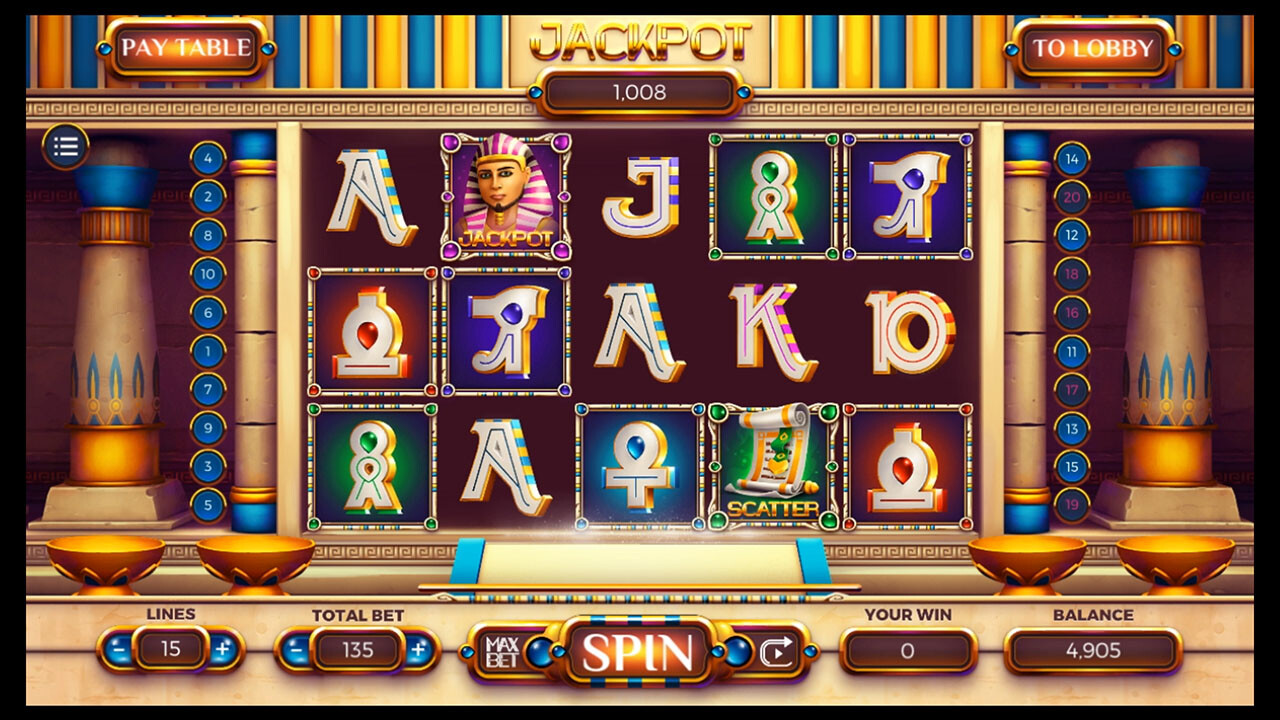
It’s impossible to run the numbers unless you determine what you’re selling. Jackpot Fishing Slot isn’t a standard slot machine. It’s a hybrid, combining slot mechanics with skill-based bonus rounds in an arcade-style package. That distinctiveness is its biggest strength. The core loop—casting a line to catch fish for instant cash prizes—creates a interactive, engaging feel. It stands apart from the rows of conventional spinning reels. UK players have a proven hunger for innovative formats and community features. This novelty pulls them in. The game exploits themes of skill and reward, giving players a sense of agency that pure chance games lack. That draw shows up in your metrics: longer session times, higher engagement, and better player retention. These are the foundation of a positive ROI.

The social and competitive aspects of Jackpot Fishing Slot are especially powerful. Multiplayer tournaments, where players compete on the same “lake,” build a sense of community. In a digital age, that matters. Games that encourage light competition and shared experiences tend to see more organic sharing and word-of-mouth sign-ups. The UK’s mature market is full of players looking for entertainment value, not just a jackpot. The game provides with bright graphics, satisfying sounds, and interactive bonus rounds. This prevents player churn and boosts their lifetime value. That foundational appeal is the first variable in your ROI equation.